
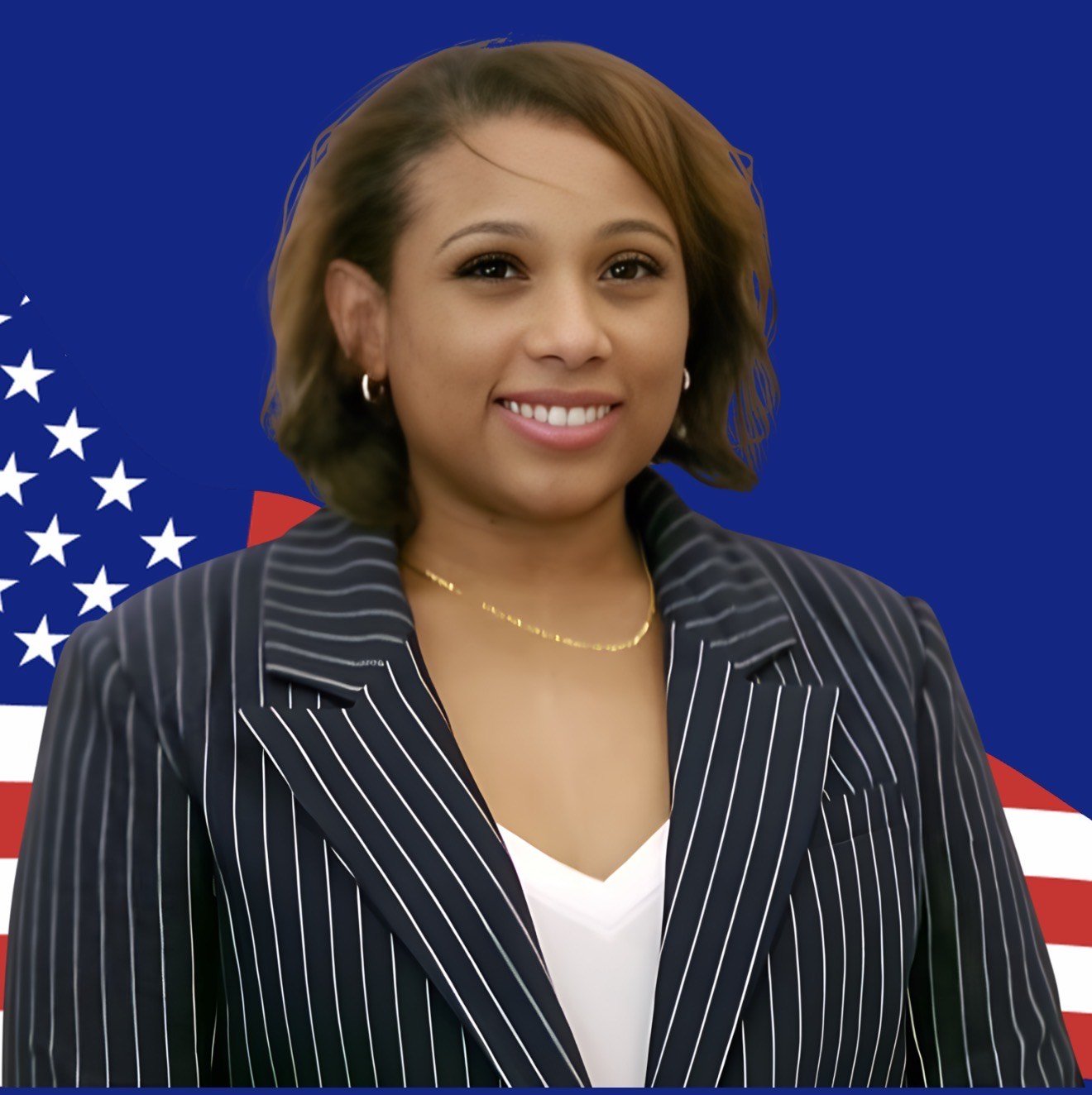
Entrepreneur of the week
01/31
Sydney Martinez
Candidate U.S. Congressional District NY - 07
Tell us about your early upbringing. Where did you grow up, and what experiences most shaped your values and worldview?
I was born in Brooklyn in 1994, and I grew up between Brooklyn and Queens — two boroughs that shaped my identity, my fire, and my purpose. My family’s life was defined by hard work, community, and resilience. I grew up seeing working people do everything right and still fall through the cracks because of a system that wasn’t built for them.
My earliest lessons came from watching neighbors look out for each other, from seeing families navigate injustice, and from learning that if you don’t speak up, you get ignored. Brooklyn and Queens taught me to fight for fairness, to stand with people who are overlooked, and to believe that change is something we build together, not something we wait for.
Walk us through your professional career. What roles or moments best prepared you for leadership and public service?
My professional journey has been shaped by service, advocacy, and the determination to uplift working families. I attended college in Georgia, gaining perspective on how deeply inequality varies across communities. I’ve worked in roles that exposed me to the struggles people face — from economic challenges to immigration obstacles to the failures of our healthcare and housing systems.
What prepared me for leadership wasn’t a single title — it was the years spent helping people navigate bureaucracies that were never meant to be user-friendly. It was seeing how policy failures translate into real suffering — and realizing that I couldn’t wait for someone else to fix it.
What specific problems did you witness in your community or industry that first made you consider public office?
I saw firsthand how unjust and unaccountable our immigration enforcement system is. ICE operates with impunity, and families in our community live in fear — even when they’ve committed no crime. I’ve seen people denied healthcare, workers denied fair wages, and families pushed out by skyrocketing housing costs.
These aren’t abstract issues. They’re real human consequences created by political choices. The moment I realized that Congress was responsible for writing the laws shaping all these systems was the moment I knew I had to step up and run.
How has being a woman and a person of color shaped your leadership style, priorities, and sense of responsibility in this race?
Being a woman of color means I’ve navigated rooms where people doubted me long before they knew me. It means I understand how systems are built to exclude, limit, or silence certain voices. That’s why my leadership style is rooted in empathy, clarity, and strength.
I know what it feels like to fight twice as hard to be heard — and I carry that fight into this campaign. It has shaped my priorities: reproductive rights, education access, workers’ protections, and civil rights are not theoretical to me — they’re personal.
It gives me a deep sense of responsibility to represent those who’ve been told they don’t belong in positions of power.
Change requires more than good intentions. How do you realistically plan to work within Congress to turn ideas into law and not get stalled by party politics or bureaucracy?
Real change requires strategy, coalition-building, and persistence. I plan to work with progressive members who share my values, while also building bridges with anyone who is serious about solving problems — not just scoring political points.
I won’t walk into Congress expecting quick victories. I will walk in prepared to draft legislation, forge alliances, push hearings, and fight publicly when necessary. Bureaucracy slows down people who aren’t committed. I don’t have that problem.
For young women and young people of color who feel locked out of power, what mindset or action steps helped you move from frustration to leadership?
The most important shift was understanding that leadership isn’t something you wait to be invited into — it’s something you claim. I stopped letting doubt guide my choices. I stopped waiting for permission.
My advice is simple:
Use your voice even when it shakes.
Show up even when you’re underestimated.
And pursue roles where you can change the system from the inside.
Your lived experience is power — not a barrier.
What lessons about work, responsibility, or resilience did you learn early in life that still guide how you operate today?
I learned early that nothing in life is handed to you — you earn it, you build it, and you protect it. Responsibility meant stepping up even when no one asked, and resilience meant pushing forward even when the path ahead didn’t look easy.
As a young woman watching my community struggle with policing issues, housing instability, and discrimination, I realized that silence helps the problem grow. So I learned to be vocal, persistent, and fearless. Those lessons guide me every day — as a mother, as a wife to a military serviceman, and as someone who refuses to accept injustice as normal.
Did being Asian make it harder to break into influencing or media at the start, and how did stereotypes impact your journey?
Yes and no. I'd say it gave me a really tight-knit community to start with, and we all felt some sort of mission due to Asian-Americans having almost zero representation in America at that time on either a Mainstream or even YouTube level (Asians were always stronger on self-produced content platforms though, and still are to this very day). But yes sometimes it made me feel like "no matter how good I do, I'm always going to be boxed in". Which may or may not be true functionally in terms of market demographics but in a way - who cares? We still got more than enough to do our thing.
Why run for Congress specifically, and why now? What do you believe is broken that you are uniquely positioned to fix?
Congress is where the rules are written — for immigration, wages, housing, healthcare, climate, civil rights, all of it. If we want real change, we need people in Congress who come from the communities that are being harmed.
I’m running now because our district cannot afford more establishment politics, more silence, or more compromises that sacrifice working families. I bring lived experience — as a mother, a woman of color, a military spouse, and a lifelong New Yorker — and I bring the courage to take on powerful interests like billionaires, corporations, and lobbyists.
What’s broken is accountability. I intend to fix that
If elected, what are the top 2–3 concrete policy changes you would push for in your first term, and how would they directly improve people’s daily lives?
1. Housing and Wage Justice
I will fight for truly affordable housing, living wages, and cost-of-living adjustments that reflect reality — not political convenience. This will give working families the stability they need to stay in Brooklyn and Queens instead of being priced out.
2. Immigration Reform & Accountability
I believe ICE must be held accountable for its abuses and reformed or abolished. We need a humane, fair immigration system that respects human rights and family unity.
3. Universal Healthcare and Education Access
Healthcare and education should be rights, not privileges. Universal healthcare and fully funded education would drastically reduce financial burdens on families and improve long-term outcomes across our district.
What does real representation look like in practice? How will you stay accountable to your district once you’re in office?
Real representation means showing up — not just for photo ops, but for the issues that matter. It means holding town halls, being transparent about votes, answering to the people rather than lobbyists, and keeping constant contact with community leaders, unions, and grassroots organizations.
I will have open-door policies, regular district engagement, and public reporting so constituents always know what I’m fighting for and why.